


Amid the wave of electronic manufacturing transformation towards high density, high reliability, and green development, the limitations of traditional soldering processes have become increasingly prominent — issues such as component damage caused by full-board thermal shock, solder bridging and cold solder joints due to insufficient solder joint control accuracy, and low efficiency in line change for multi-variety production have become major obstacles to the capacity upgrade of global electronic enterprises. Selective Wave Soldering, with its core advantages of “precision positioning, local soldering, and intelligent adaptation”, has rapidly emerged as the mainstream soldering solution in high-end fields such as automotive electronics, medical equipment, and communication terminals. Exported to dozens of countries and regions including Russia,Spain,Finland,Germany, the United States, Japan, South Korea,Turkey ,Vietnam and so on , it has become a preferred brand under hot search terms such as “Selective Wave Soldering Germany”, “Precision Soldering Equipment USA”, and “PCB Welding Solution Japan”, solving global customers’ soldering challenges with core technologies.
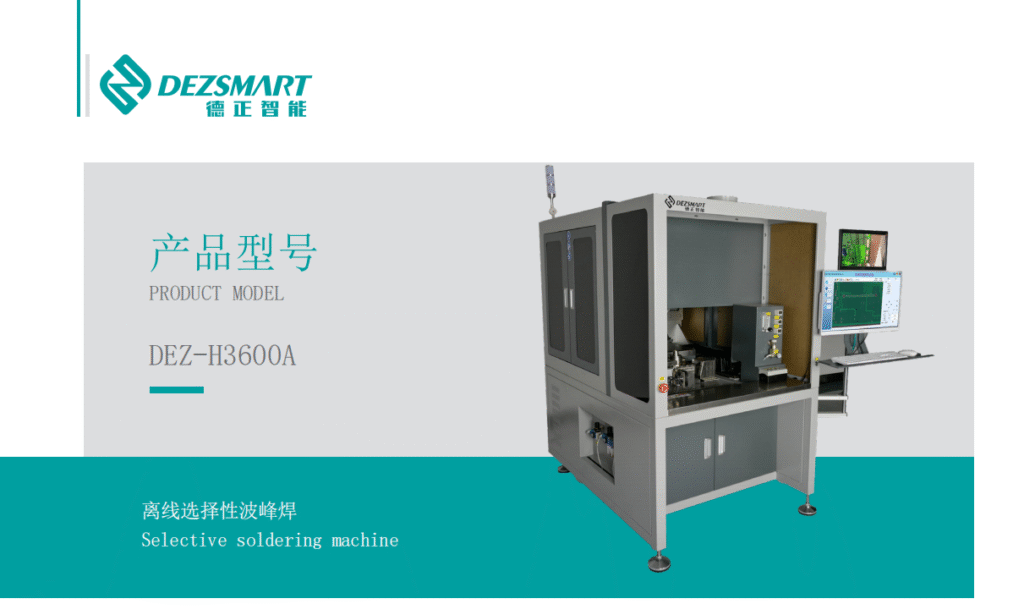
Core Functions: Redefining the “Gold Standard” of Precision Soldering
The core value of selective wave soldering lies in breaking the “one-size-fits-all” soldering mode of traditional wave soldering and realizing “solder joint-level” customized soldering through refined control. Its three core functions directly address industry pain points, making it a core production equipment for global smart manufacturing enterprises.
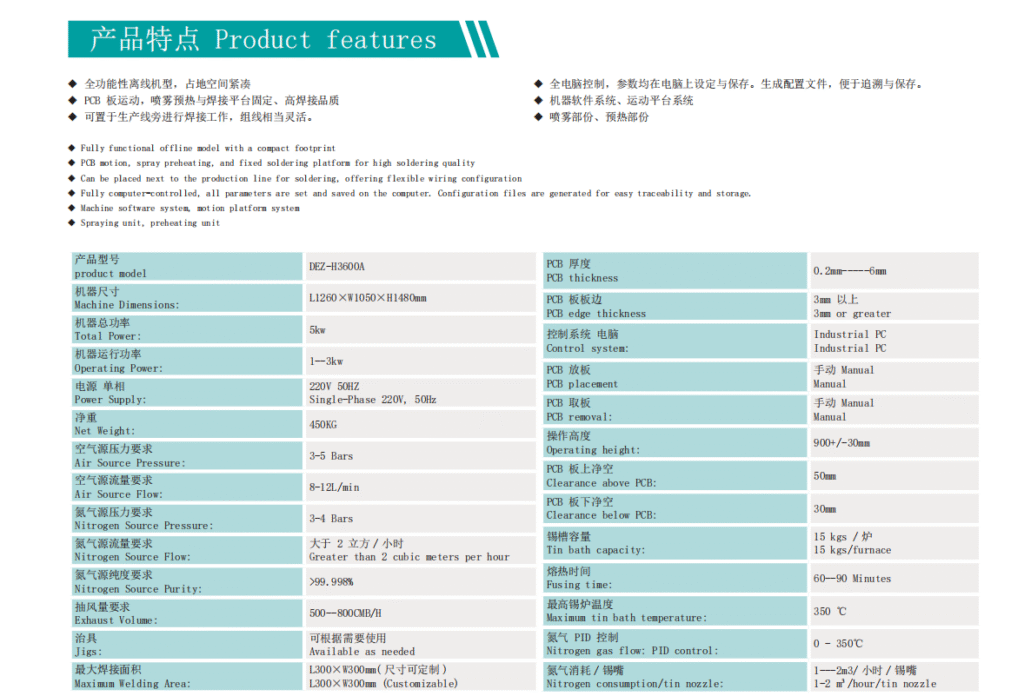
1. Precision Local Soldering, Eliminating Thermal Damage Risks
Adopting a micro-custom nozzle design, it can accurately position single or multiple target solder joints on PCB boards, spraying molten solder only on the areas requiring soldering to achieve “point-to-point” precision soldering. Equipped with a local preheating module, the soldering temperature control accuracy reaches ±1℃, effectively avoiding problems such as PCB warpage and secondary melting of heat-sensitive components (such as capacitors, LEDs, and chips) caused by traditional full-board soldering. It is especially suitable for the soldering needs of high-density mixed PCB boards such as automotive electronic BMS modules, medical electrocardiographs, and smart wearable devices, improving solder joint reliability by more than 99.2%. Whether it is high-integration control boards of German automotive electronics enterprises or precision circuit boards of Japanese medical equipment manufacturers, zero thermal damage soldering can be achieved through this function.
2. Intelligent Flexible Adaptation, Balancing Multi-Variety and High Efficiency
In response to the global trend of “small-batch, multi-variety” production for electronic enterprises, selective wave soldering is equipped with an intelligent programming and quick changeover system, supporting one-click switching of multi-specification nozzles. The line change time is reduced from 2 hours (traditional wave soldering) to less than 10 minutes. Built-in with a massive process database, it can automatically match the optimal soldering parameters (flux spray volume, soldering time, wave height, etc.) according to the solder joint distribution and component type of different PCB boards, adapting to full-scenario soldering needs from consumer electronics to aerospace. In consumer electronics-intensive regions such as Vietnam and South Korea, this function helps enterprises quickly respond to order changes, improving production efficiency by more than 50%.
3. Green, Efficient and Energy-Saving, Reducing Full-Life Cycle Costs
Adopting selective flux spraying technology, flux is only sprayed on target solder joints, reducing usage by more than 60% compared with traditional wave soldering. At the same time, it greatly reduces solder dross generation, cutting lead-free solder consumption costs by 30%. No additional soldering fixtures are required, reducing tooling investment; the PCB board has high cleanliness after soldering, with ion pollution far below industry standards, eliminating the need for subsequent cleaning processes. It complies with environmental regulations in countries and regions such as the United States and the European Union, helping enterprises achieve green production transformation.
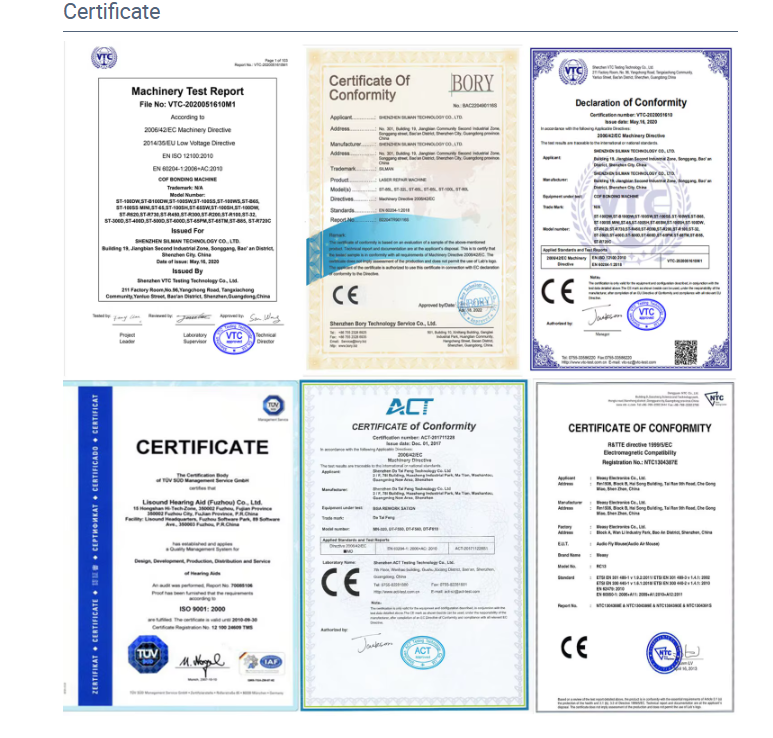
Pain Point Resolution: Customized Solutions for Global Customers’ Soldering Challenges
From North America to Europe, and from East Asia to South Asia, we deeply engage in the frontline of electronic manufacturing in various global regions. Aiming at the most troublesome soldering defects and production challenges of customers, we provide full-process solutions from equipment selection to process optimization, verifying technical strength through practical cases.
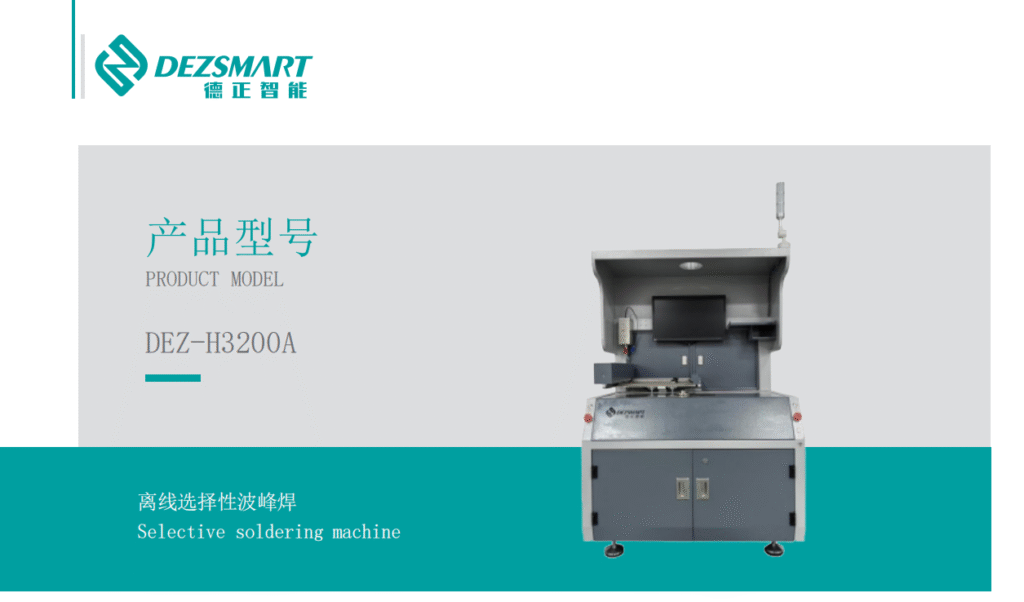
Pain Point 1: Frequent Solder Bridging and Cold Solder Joints on High-Density PCBs, Low Yield Rate
Customer Scenario: A German automotive electronics manufacturer produces BMS (Battery Management System). The PCB boards have dense solder joints with a pin pitch of only 0.8mm. The solder bridging rate of traditional wave soldering is as high as 15%, making it difficult to meet yield standards and seriously affecting order delivery.
Solution: Customized “mini-wave” nozzles and intelligent de-bridging technology to accurately control the flow direction of molten solder. Combined with the AI process optimization system to adjust soldering parameters in real time, the solder bridging rate is reduced to less than 0.5%; at the same time, the solder wettability is improved through local preheating, completely solving the cold solder joint problem.
Customer Feedback: The yield rate has increased from 82% to 99.6%, and the daily output of a single line has increased by 3,000 pieces, fully meeting the quality requirements of high-end automotive electronics.
Pain Point 2: Easy Damage to Heat-Sensitive Components During Soldering, Unqualified Reliability
Customer Scenario: A Japanese medical equipment enterprise produces portable ultrasound diagnostic instruments. The PCB boards integrate a large number of heat-sensitive capacitors and precision chips. The traditional soldering process causes a 3% component damage rate due to thermal shock, which fails to pass the strict reliability certification of the medical industry.
Solution: Adopting a segmented local preheating scheme, the preheating temperature is accurately controlled at 80-120°C to avoid extreme temperature differences on components; during the soldering stage, micro-nozzles are used for precise solder feeding to shorten the heating time of solder joints. The component damage rate is reduced to less than 0.02%, fully complying with the zero-defect standard for medical equipment.
Customer Feedback: The product successfully passed the medical industry certification, greatly improving market competitiveness, and has become a core partner of Japanese local medical equipment manufacturers.
Pain Point 3: Difficult Changeover for Small-Batch and Multi-Variety Production, High Operating Costs
Customer Scenario: An Vietnam electronic accessories manufacturer undertakes multi-brand orders with fast product updates and small batches. Traditional wave soldering requires replacing special fixtures for each changeover, which is time-consuming and laborious, and the changeover cost accounts for as high as 20%; a Southeast Asian consumer electronics enterprise incurs a lot of additional consumable expenses every month due to flux waste and excessive solder dross.
Solution: The equipment supports one-click import and storage of programs. No fixture replacement is required for multi-variety product switching, and the changeover time is shortened to less than 10 minutes, which greatly improves flexible production capacity; precisely control the flux dosage through a quantitative spraying system, reduce solder dross generation with a nitrogen protection device, and optimize equipment operation parameters combined with an intelligent energy management system. It helps customers reduce flux consumption by 30%, reduce solder dross generation, and lower the comprehensive operating cost by 15-20%.
Customer Feedback: The monthly order processing capacity has increased by 40%, the labor cost of line change has been reduced by 60%, and the market response speed has been significantly improved, successfully seizing more market share in the fiercely competitive smart wearable device industry.
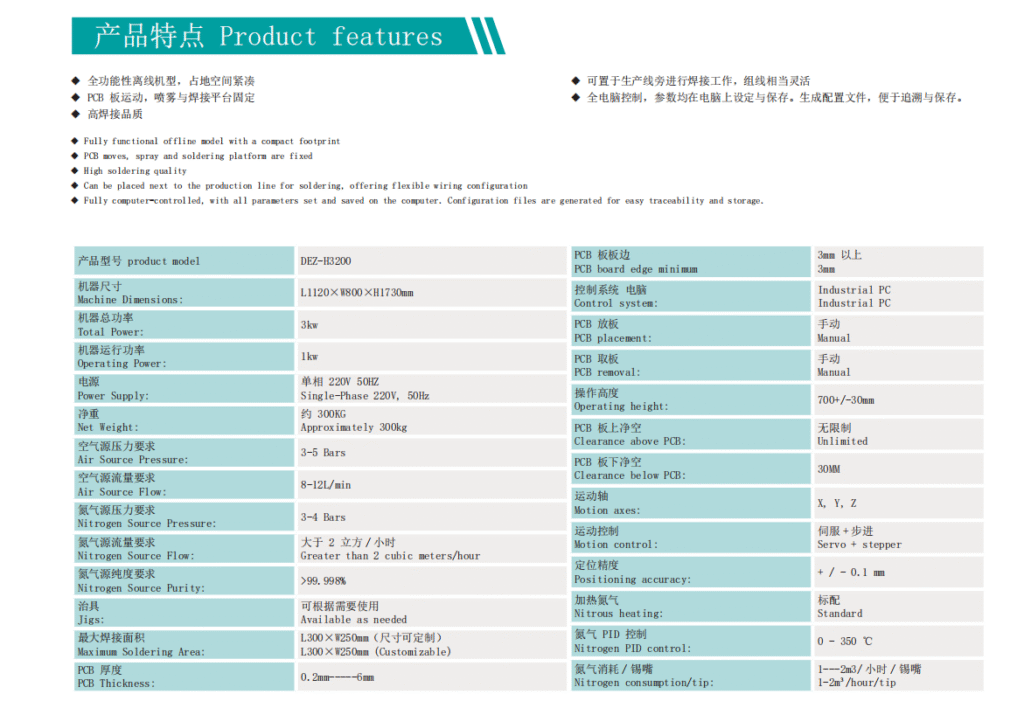
Global Layout, Quality Assurance: Your Trusted Selective Wave Soldering Partner
Focusing on the field of selective wave soldering for many years, we have always adhered to the concept of “technology first, customer-centric”, and built a global service network covering Russia,Spain,Finland,Germany, the United States, Japan, South Korea,Turkey,Vietnam and other major electronic manufacturing regions. We provide localized pre-sales consultation, in-sales debugging and after-sales maintenance services to respond to customer needs in a timely manner. Whether you are facing the pain points of high-density PCB soldering, heat-sensitive component protection, or multi-variety production efficiency improvement, we can provide you with customized selective wave soldering solutions.
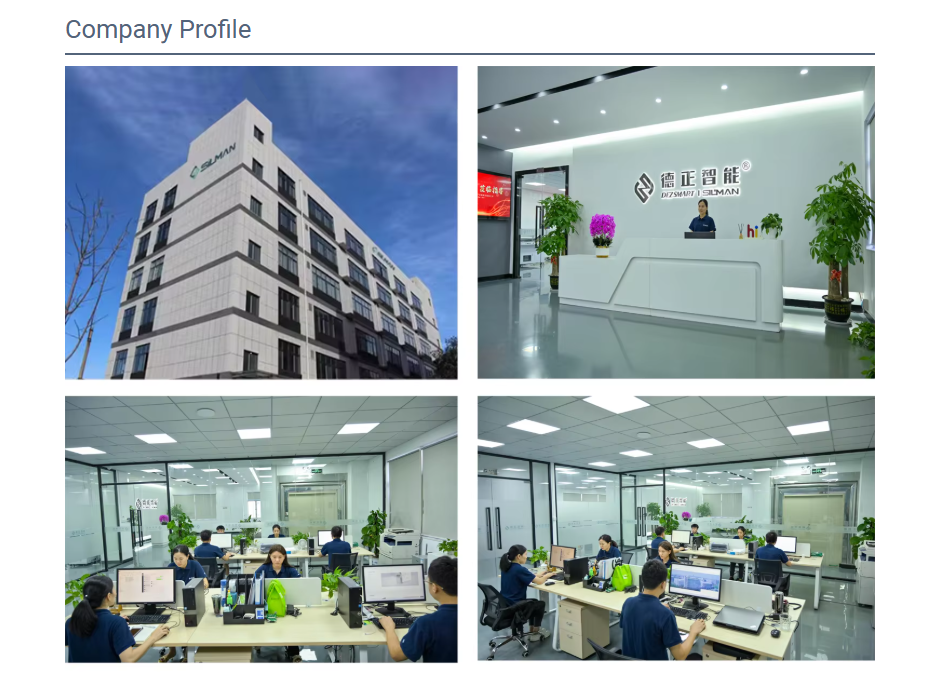
As a preferred brand under global hot search terms such as “Selective Wave Soldering Germany” and “Precision Soldering Equipment USA”, we are committed to empowering global electronic manufacturing enterprises with more efficient, precise and green soldering technologies, and growing together with customers to create a better future for smart manufacturing!


